Showing posts with label character. Show all posts

Thursday, September 20, 2018

Is an Actor's Word Definitive?


It's pretty common knowledge that actors bring a lot of their own ideas to the table when playing a character. Not only can they add dimensions to a performance with ad-libs and personal quirks, but they often take the extra step by inventing backstories for their characters beyond what the script provides. This is pretty common knowledge too, and it makes sense for actors to do this. Having a personal history in mind that doesn't necessarily relate to the story at hand makes their characters feel more like real people, and that gives them something to draw from when finding their motivation for certain scenes.

One aspect of this that I want to explore though is what happens when an actor's vision of their character doesn't quite jibe with what's conveyed in the final product. I'm not talking about when the actor and the writer and/or director clash over creative differences. I'm talking about when those creative differences result in a major aspect of the character being ambiguous to the viewers. Sure, writers and directors are the top creative authorities on the overall project, but the actor is the one who delivers the performance we actually see. Does that make their word the more definitive one in the end?

Take the characters Pintel and Ragetti from the first three Pirates of the Caribbean films. Played by Lee Arenberg and Mackenzie Crook, they're a pirate duo who frequently switch allegiances depending on what's more beneficial to them, as pirates do. Unlike most duos in the series though, they never once turn on each other. They're completely loyal to one another from start to finish, and even when things descend into "every man for himself," they still more or less work as a team with their shared wellbeing in mind.

The movies (produced by Disney in the early-to-mid 2000's, mind you) seem to present them as just really good friends who have each other's backs because they've been through so much together. In fact, Pintel was a solo character in the first draft of the script, so it makes sense that splitting him into two characters in later drafts would result in a duo that always works together. However, a lot of viewers genuinely believe that he and Ragetti are a homosexual couple. There's even a deleted scene from the first film where Pintel mentions that he "used to date a eunuch." What complicates this further is that Lee Arenberg has said that he and Mackenzie Crook came up with the idea before filming that their characters were actually uncle and nephew.

Yo ho ho and a bottle of rum, aye?

Personally, I always favored the uncle and nephew theory since it came from the actors themselves. If that was how they played their roles, then it has to be what their characters' relationship really was, right? And it wasn't like one or both of their characters couldn't still be homosexual; they just wouldn't be a couple with each other. However, this way of thinking got turned on its head just a month ago when I saw the movie Mad Max 2: The Road Warrior for the first time.

See, there's a marauding male duo in that movie too. Their names are Wez and the Golden Youth, and they spend most of their shared screen time riding on a motorcycle together while dressed in black fetish leather, complete with a dog collar and chain on the Golden Youth and "assless" chaps on Wez. Wez always sits in front on the motorcycle with those chaps, by the way. One of the heroes kills the Golden Youth during a negotiation scene about a third of the way through the film, and his death sends Wez into such a vengeful rage that the lead villain has to restrain him and remind him that every one in their group has lost "someone we love."

The intention for these two characters would seem obvious, even for a film from 1981. However, Vernon Wells, the actor who played Wez, has a reported history of getting angry at people who insist that Wez and the Golden Youth were a couple. He's also said that director George Miller left it up to him to decide his character's backstory, which Wells decided was that of a surrogate father to the Golden Youth, and that a scene clarifying this was meant to be in the film at one point. To the best of my knowledge, no proof of this scene existing has ever surfaced, not even in older drafts of the script, and the Golden Youth was originally a female character.

Taking the actor's word suddenly doesn't seem like the most credible approach anymore. Granted, there are a few differing factors between these two cases.

The Pirates movies present Pintel and Ragetti's relationship in a very broad, distant light that allows for several interpretations. Mad Max 2, in contrast, seems to give Wez and the Golden Youth's relationship one very specific undertone, unless the idea is that they just dress that way because everyone has questionable fashion in Mad Max. Lee Arenberg and Mackenzie Crook could come up with any backstory they wanted for their characters without really contradicting the writers' ideas, whereas Vernon Wells was stuck on a two-man motorcycle in assless chaps. He's going to have a harder time convincing people of his interpretation because things like the wardrobe and staging were beyond his control.

The actors themselves and the timing of their films' releases are also big factors in credibility. If Wez really is supposed to be a homosexual, it's possible that Vernon Wells was never comfortable with that idea, or else he was comfortable with it back in 1981 but his view has changed since then. Or maybe he honestly never saw the role that way during production and resents that it's been interpreted that way. Another commonly known thing about actors is that they tend to accept roles that they're not entirely passionate about or don't fully understand because work is scarce at the time, and a lot of them do look back on those roles wishing they had turned them down or played them differently. Even Viola Davis recently admitted to having regrets about her Oscar-nominated role in The Help.

The bottom line seems to be that while actors do play a key role in bringing characters to life, they don't own those characters. Therefore, their word only holds so much weight. As viewers, we can still believe them if we want to—it's always good to view art from more than one perspective—but if you want the definitive word on something in a movie, show, or stage play, you're probably better off asking the writers and directors, the people who had to envision the bigger picture.

And for the record, I still prefer to think that Pintel and Ragetti are uncle and nephew. That's partially because I've written a 155,000-word fanfiction series based on that idea, and I like it when the words that I write hold a little weight.


Thursday, May 10, 2018

Looking Back on Loki - Part 2


SPOILER ALERT!!

THIS ESSAY WILL ALSO GIVE AWAY THE BEGINNING OF THE AVENGERS: INFINITY WAR. IF YOU HAVEN'T SEEN THE MOVIE YET AND YOU DON'T WANT ANYTHING IN IT TO BE RUINED, SEE IT BEFORE READING THIS.

IF NOT FOR YOUR OWN SAKE, THEN DO IT FOR LOKI'S.

--

Thor: The Dark World (2013)

It's worth mentioning that during this film's post-production, actor Tom Hiddleston appeared in character as Loki at the 2013 San Diego Comic-Con. He "interrupted" a sneak preview of Thor: The Dark World, scolded the crowd for not accepting him as their king the summer before, then vowed to show them the preview if they pledged their loyalty to him. Needless to say, the crowd got their preview and the God of Mischief gained a wildly supportive army that day.

I bring this up because it showed how aware Marvel was of Loki's popularity at the time, as well as how keen they were to play to it. I think that contributed a lot to his role in The Dark World.

The filmmakers knew we wanted to see him turn good and team up with Thor. They knew we debated if and how he would die in future films, and they knew how much we wanted to see him succeed for once. Because of this, there was a real sense that they toyed with our expectations for Loki in the second Thor film, and the end result was perfect for his character.

Loki hit rock bottom in The Dark World. Not only was he disgraced before all of Asgard, but Odin seemed to disown him and left him virtually powerless by imprisoning him. Then, when Loki thought things couldn't get worse, he caused the death of his adoptive mother Frigga. The dark elf Malekith invaded Asgard, and when a henchman named Kurse found Loki in the dungeon, Loki told him the way to the throne room. He did this for revenge on Odin, but it was Frigga that Kurse killed instead.
 
This made Loki snap again. Now there really was no salvaging his life, and with Thanos no doubt hunting him down after his failure on Earth, he knew his days were numbered. This and his rage over Frigga's death made him decide to cooperate when Thor asked him to help stop Malekith. This would only mean temporary freedom for Loki, but that was all he needed to carry out his new plan.

His chance came during a fight between him, Thor, and Kurse on the dark elves' home world. Loki killed Kurse, saving Thor and avenging Frigga, but he was wounded in the process. Thus we got the scene we were expecting where he died dramatically in Thor's arms after redeeming himself. The twist was that it wasn't real.

To my knowledge, it's never been confirmed if Kurse really stabbed Loki, since Loki's powers allowed him to cast illusions of such things. Either way, he wasn't fatally wounded, but he took advantage of Thor's emotional state and faked his own death. Thor was forced to leave him behind and pursue Malekith, one of Odin's guards found Loki, Loki killed the guard and assumed his appearance (possibly even disguising the guard's body as his own), and returned to Odin. After that, he used his powers to trap Odin on Earth, assumed his adoptive father's appearance, and took on a new life as the King of Asgard. At long last, the God of Mischief had succeeded.


What's interesting is that he never sought further revenge on Thor after his brother defeated Malekith and came home. Thor had broken Loki out of prison and committed treason by leaving Asgard, so no one would have questioned a steep punishment for the God of Thunder, but Loki allowed Thor to go free and live happily on Earth with his human friends. Maybe he had made some kind of peace with Thor during their time together, maybe he couldn't properly restrain Thor since he didn't have any of Odin's powers, or maybe he thought that letting Thor leave Asgard on good terms would minimize suspicion towards himself. Whatever the reason, fully pardoning his brother after everything they had put each other through showed growth on Loki's part.


Thor: Ragnarok (2017)

It would take four years for Loki to show up again in the MCU. He was supposed to make a cameo in 2015's The Avengers: Age of Ultron when Thor had a vision of Asgard's destruction, but like a lot of things in that film, he was cut for time. Between that and all the questions that The Dark World had left us with, there was still a good amount of excitement for Loki's comeback in Thor: Ragnarok.

To put it simply, this Thor movie turned out to be very different from the first two. It's said that director Taika Waititi, best known for comedies, was given free reign with Ragnarok, so there ended up being way more emphasis on humor than drama this time around. For Loki, this meant giving us a more cowardly, inept, and silly God of Mischief than we were used to seeing.

In terms of the narrative, this character inconsistency can actually be justified. Loki spent his whole life seeking admiration and eventually power, and once he gained both at the end of The Dark World, he had no goals left to work towards. This caused him to lose a lot of his drive and his edge over the four years he spent disguised as Odin, and not having to worry about Thanos finding him anymore allowed him to become oblivious to the world around him. It made sense that after Thor caught on and exposed him as an imposter at the start of Ragnarok, Loki had to spin his wheels a bit before finding a new direction in life.

He hit rock bottom again after Thor made him take them to the real Odin on Earth. The brothers found their father moments before he died, and although Odin forgave Loki, his death was one betrayal too many for Thor to do the same. The final nail in the coffin came when Thor's half-sister Hela sensed Odin's passing and seized control of Asgard.

The best Loki could think to do was give up on his home again and simply look out for himself. When he and Thor became stranded on the planet Sakaar, he quickly schmoozed his way into favor with its ruler, the Grandmaster. He made one half-hearted attempt to help Thor, mostly so he could brag about his new social status, but when Thor still wanted nothing to do with him, Loki tried to betray his brother for financial gain. Thor outwitted him though, saying that Loki's refusal to be more than the God of Mischief had made him predictable, and escaped back to Asgard without him.

This marked the ultimate turning point for Loki. All his schemes of the past seven years had been for nothing, and having Thor completely give up on him this time made him finally realize what he had ruined between them. What was more, he had no guarantee that he would be safely hidden from Thanos on Sakaar. There was a chance he might die soon anyway, so why not die doing something genuinely admirable?

After making his own escape from Sakaar, Loki took his brother's words to heart and returned to Asgard to help Thor defeat Hela. This involved destroying their home like Thor had foreseen, and it was Loki who set that destruction in motion. Curiously enough, he had to do it in Odin's vault—the same room where he had first learned of his Frost Giant lineage. The ship that he had arrived on allowed Asgard's people to evacuate in time, and Loki further proved his loyalty by joining them on their voyage to Earth. It was during this voyage that he made his peace with Thor and watched his brother assume the role of Asgard's new king.


It seemed like Loki was finally a real hero, but in the midst of it all, he had secretly made another huge mistake in another moment of weakness.


The Avengers: Infinity War (2018)

And that brings us to the grand finale. Infinity War is still less than two weeks old, and it's already broken the record as the fastest movie to ever gross $1 billion at the box office. It's well on its way to becoming the highest grossing film of all time, and I think that's largely because of how many upsetting character deaths occur throughout the plot. Fans want to figure out how the next Avengers film will resolve things, if it even can, and a good way to look for clues is by watching Infinity War again. And if that doesn't work, then at least they'll get the most out of what could be their favorite characters' final appearances on the big screen.

The film is shocking and bleak, and Loki's death in the opening scene sets that tone perfectly.

His huge mistake at the end of Ragnarok was stealing the Tesseract from Odin's vault before he escaped from Asgard. Loki did this on impulse as well, not because he wanted a peace offering for Thanos, but because he remembered how powerful the device was and couldn't resist the thought of possessing it again. Now that the Tesseract was away from Asgard though, Thanos could sense the Infinity Stone inside of it and was able to track down the Asgardians' ship in space. The Mad Titan boarded their ship, and in a horrible twist of irony, half the people that Loki had helped to rescue were slaughtered before his eyes.

Even then he wouldn't hand over the Tesseract, since he knew what his enemy meant to do with the stone inside. It wasn't until Thanos started torturing Thor in front of him that Loki revealed the device, though he still didn't give up. He stalled for time so the Hulk could attack Thanos, and when the Hulk lost that fight, Loki attempted to finish the job himself.

Loki often defeated opponents by distracting them with illusions of himself and then striking from behind. However, he didn't do that this time; perhaps he decided he was through with hiding. Instead he faced Thanos himself, pretended to offer his services again, and tried to stab his former ally in the throat. Sadly, the God of Mischief really had become predictable, and after stopping the blow, Thanos lifted him into the air by his neck while Thor watched helplessly. Loki declared that the Mad Titan would never be a god, then Thanos killed him with one squeeze. The last we saw of Thor's little brother was his body lying on the floor while the God of Thunder grieved over him.


~

I've heard complaints that this sendoff for Loki was anticlimactic, but I disagree. The scene pretty much covered all the bases it needed to for his story arc: proving that he valued his brother's life more than his own ambition, having him team up with two of the Avengers to an extent, showing that he'd accepted his past by stating he was Odin's son but not an Asgardian, and letting him get in a few last tricks and interesting lines. I even kind of like that his death was so simple and blunt this time. He already had an epic sci-fi spectacle death in the first Thor film and a dramatic Shakespearean death in the second, so it was fitting that his third death had none of those theatrics. That sold the reality of it so much more.

As for killing him in the first scene, I understand why it was done. We needed a reason to personally hate Thanos, and the film needed to show us how high the stakes had grown. Also, I'm not sure what else the writers could've done with Loki in this film. What made him so interesting was his moral conflict, the question of whether or not he would become one of the heroes. When he did that at the end of Ragnarok, he completed his arc. If he'd survived and been just another good guy throughout Infinity War, I think he would've been a lot less interesting, and if he'd become a villain or a double agent again, I think it would've felt too contrived. Besides, his death became Thor's main motivation to destroy Thanos, and since this was brought up multiple times, it still felt like Loki had a presence throughout the film.

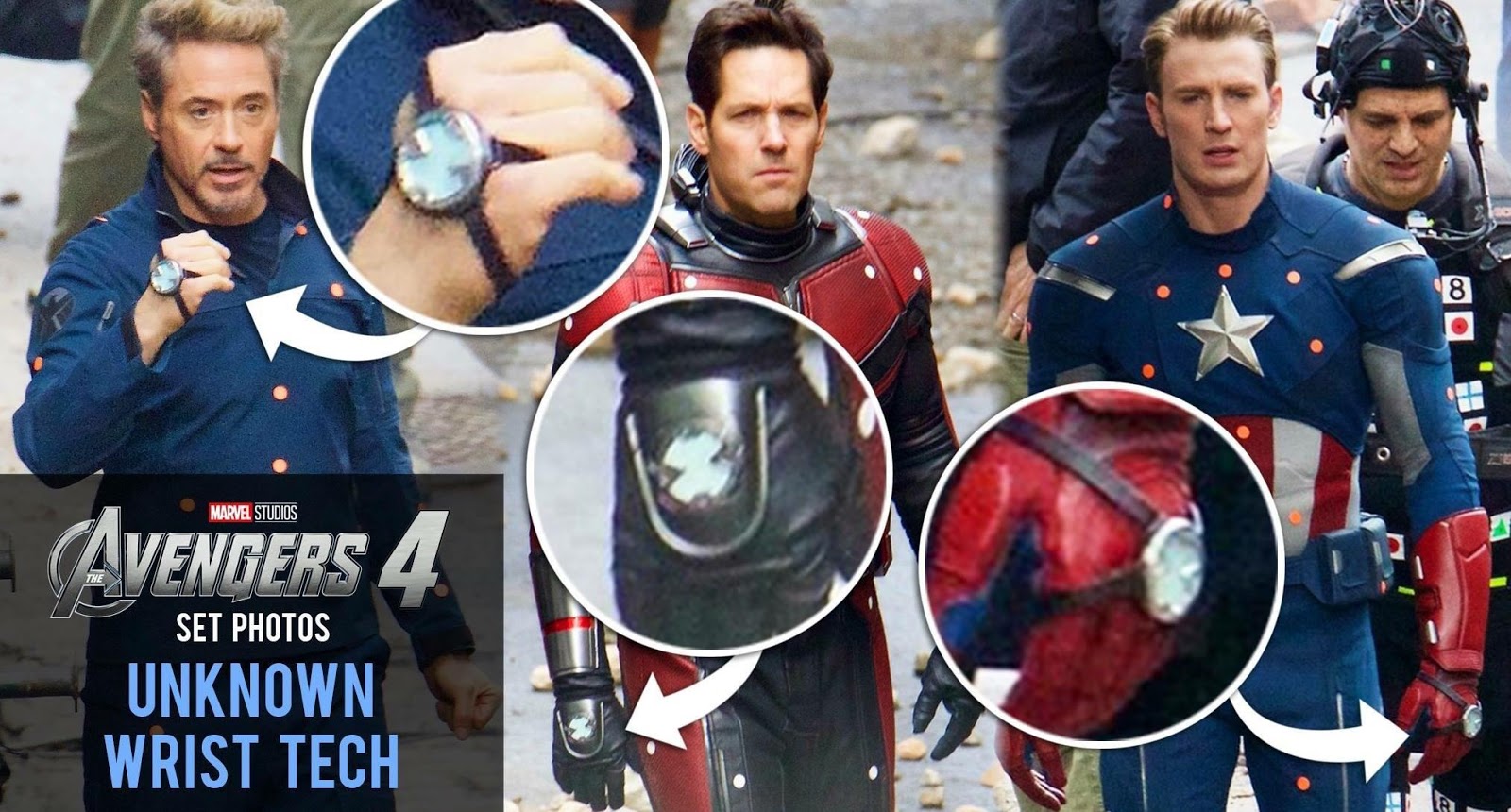
Production photos of the fourth Avengers movie have surfaced since Infinity War's release. Because they appear to take place during the events of the first film and feature the characters wearing mysterious wrist devices, fans have speculated that the story will involve time travel to undo the final moments of Infinity War. It's possible that Loki could "return" that way, with Thor encountering a past version of his brother. There's also hope that he might come back from the dead as a result of the Avengers meddling with the past.

Personally, I think the best way to bring him "back" would be in spirit, with Thor either using the Infinity Stones to connect with him or by dying as well. It'd be a fitting and poignant end for the God of Thunder to sacrifice himself for the universe and then have his brother lead him to Valhalla as a reward. We'll just have to wait and see.

If this is the last time we'll ever see Loki, I'll close with this: When he first saw himself as a Frost Giant, he wondered if he was cursed. He was right in a way. His curse was that for all the cunning and strategic thinking he possessed, his emotions were always what ended up dictating his choices. In this regard, he was more like Thor than he wanted to believe, and since he never had the same opportunity as Thor to learn self-control, his emotions continued to sabotage him at every turn. When he saved the Tesseract from destruction on a whim, the penalties of this curse became cataclysmic.

Still, there was a way Loki could have kept the Tesseract out of Thanos's hands. All he had to do was keep it cloaked in invisibility, refuse to say its location, and let Thanos kill Thor. That would have been the more sensible choice in the grand scheme of things, since Thanos wanted the Infinity Stones to "save" the universe by committing genocide. However, Loki's emotions pushed him to reveal the device in exchange for his brother's life.

Several other characters, mostly the heroes, had to choose between someone's life and an Infinity Stone throughout the film. Most of them gave up the stone to spare the person's life. The only willing exception was Thanos, who tortured one of his own children and killed another to claim a stone. Loki may never have quite been a hero, but in the end, he had more in common with the heroes than he did with the villain. The son of Odin who had once tried to kill his brother and save Asgard by also committing genocide had replaced his rage with compassion, and his emotions made the better choice as a result.

In the end, Loki understood the value of life, and that's no curse.


Sunday, May 6, 2018

Looking Back on Loki - Part 1


Well, it's been a little over a week since the premiere of The Avengers: Infinity War, and like many fans, I'm still reeling from the film and pondering what to expect in its sequel. I feel like enough time has passed that most people who wanted to see the movie already have, so a spoiler warning might not be needed, but to be safe, here's mine:

SPOILER ALERT!!

THE ESSAY YOU'RE ABOUT TO READ WILL GIVE AWAY THE BEGINNING OF INFINITY WAR.

YES. THIS MOVIE IS SUCH A COLOSSALLY EPIC ENDGAME THAT EVEN THE BEGINNING CAN BE RUINED.

--

With that said, I want to talk again about my favorite character, Loki. He's one of the Marvel Cinematic Universe's oldest, most pivotal, and most popular figures, as well as one of its most compelling villains. That's why it came as a huge shock to a lot of viewers, including myself, when the Mad Titan Thanos abruptly killed him in the opening scene of Infinity War. It's probably one of the top three saddest deaths in the whole film, which is no small feat, so I'm writing this two-part essay as an in-memorium of sorts. It's a film-by-film look back on Loki's story arc throughout the series that hopefully does justice in showing what a terrific character he was.

We have five movies to discuss, so in the words of the late God of Mischief, "Send the rest."


Thor (2011)

According to screenwriter Zack Stentz, Marvel Studios gave the writers of the first Thor film a very specific instruction: "Give us a villain as good as Magneto." Magneto was the villain of the original X-Men film trilogy, and his goal was to wipe out humanity so that his people, the mutants, could inherit the Earth. This didn't stem just from a feeling of superiority over humans, but also from the horrors he endured as a child in a Nazi concentration camp. Magneto's goal was to protect his new people from those who distrusted them, which he couldn't do during the Holocaust, and the hate that drove him to pursue this goal turned him into the same monster that he was trying to defeat. He was a villain who thought he was the hero, and no one could tell him otherwise.

With this in mind, the writers of Thor gave us Loki. As Thor's jealous, overlooked younger brother, his goal was to lie, scheme, and manipulate in order to keep the God of Thunder from becoming King of Asgard. This type of villain may have seemed like a tired trope at first, but the writers knew how to make him more engaging as the story unfolded.

Hence, we got a scene where Loki discovered that he wasn't Thor's brother at all; he was the abandoned son of the Frost Giant Laufey, Asgard's enemy, and Thor's father Odin took him in as a baby and turned him into an Asgardian to raise him. What's more, when Loki confronted Odin about this, we learned that his adoption wasn't strictly an act of kindness. Odin also wanted to raise Laufey's son on Asgard as a way to eventually bring peace between their races. It just happened to involve lying to Loki about who and what he was for most of his life while always showing him less favor than Thor for reasons he couldn't understand.


If I had to pinpoint the exact moment when the whole Loki fan train started, it would probably be that scene. His tragic backstory was the kind that the protagonist usually had in a superhero film, not the antagonist, and Odin's flimsy explanation for keeping it a secret really made viewers side with Loki in that moment. And that's the core of what won us over. We could side with Loki. Unlike with Magneto, who was always pitted against people with a clear moral high ground, we were made to see Loki's view of everything very early on and could genuinely believe he was in the right.

Thor would make a terrible king. He was a complete loose canon who almost got Asgard into a full-scale war with the Frost Giants, and Loki getting him banished to Earth was probably the safest way to keep things from escalating. Loki didn't even really want to be king in Thor's place. He just didn't want the only home he'd ever known to be placed in the hands of an idiot.

It wasn't until much later in the film, after he'd learned the truth about himself, that we learned Loki's new goal. Along with wanting to protect Asgard, he now wanted to have Thor killed on Earth and impress Odin by wiping out the Frost Giants. He wanted to set up a crisis that would prompt Asgard to end their truce with Laufey, and with Thor gone, he would be the one to defeat their enemy. He would be the hero that everyone in Asgard admired.


If this had been Loki's goal from the start, we might have felt differently about him, but we saw what made him snap and decide to do this. That gave us hope that he could be reasoned with and brought back to his senses before going through with his plan. In the end though, he couldn't be reasoned with, and after Thor saved the day and Loki saw Odin's disappointment in him, he abandoned his home and sent himself hurtling into a black hole in space to his supposed death. Everything he had ever known was a lie and he saw no way to salvage it, so in a moment of weakness, he gave up.


The Avengers (2012)

Released one year after Thor, The Avengers was one of the biggest movies of the 2010's. Not only had it been hyped up for four years with a string of prelude films, but it ended up being every bit the action-packed, crowd-pleasing popcorn blockbuster that it had promised to be. It's made Marvel Studios pretty much the king of the box office to this day, and since Loki came back as the villain in The Avengers, he was bound to leave way more of an impact on viewers this time around.

And of course, he did. I would daresay he even gained a bigger overall fanbase than any of the heroes after this movie. It's easy to see why too; he was working towards a different goal from all the other characters, so he stood out, and since he had an underdog backstory, you still kind of rooted for him. Also, it was entertaining as hell to watch him try and maintain his dignity throughout his increasingly hilarious defeats. Loki had the same insecurities and emotional conflict as before, but instead of being depressed about his shortcomings, he was trying to stay confident and enthusiastic. You kind of had to admire that.

This wasn't to say though that Loki was totally eager to conquer the Earth in The Avengers. One of the human characters, Agent Coulson, even observed that the God of Mischief didn't have enough conviction in what he was doing for him to succeed. I didn't read many fan theories at the time, but my understanding was that Thanos found Loki floating in space after Thor, recruited him, offered him the chance to prove himself by stealing the Tesseract from Earth, and Loki took that offer in exchange for being allowed to rule Earth afterwards. He made this deal somewhat impulsively; he was still angry at Thor, so taking over the planet that his brother had grown to love sounded like the perfect revenge at the time. Loki soon realized that he was in over his head with Thanos, but it was too late to back out of the deal by then. We even got a scene in The Avengers where Loki was told that Thanos would torture him beyond imagination if he failed to complete his mission.

If Loki wanted to survive, he would have to reinvent himself and fully embrace his conquest of Earth—the "glorious purpose" that he was now burdened with. This seemed to work at first, so much that his mission even delighted him at times, but then Thor came to stop him. That was what stirred up Loki's conflicted feelings again and made him start to lose momentum. Thor wasn't just ordering him to give up his mission, he was offering to bring him home and help him pick up the pieces of his old life. It was extremely tempting, but since Loki still yearned for respect and feared punishment from Thanos, he did whatever he could to remove that temptation. That was why he tried to kill Thor in the middle of the film and then stabbed him during the climax when Thor was starting to get through to him. He didn't have the conviction to win those arguments otherwise.

Not that any of it paid off in the end. The Avengers defeated Loki's invasion army, the Hulk wiped the floor with him, and Thor took both his brother and the Tesseract to Asgard to be locked up forever. This was actually where Loki's story arc in the films was supposed to end, but once Marvel saw how much the fans loved him, they knew they had struck gold with this character. They had a villain who was better than Magneto now, at least from a marketing standpoint. They had a charming, mysterious, and sympathetic villain who added genuine dramatic weight to Thor's storyline even at the silliest of times. If they wanted to keep making successful Thor movies, then they had to keep Loki around.


To be continued in Part 2...


Sunday, October 29, 2017

The Trouble with Daenerys


I'm three episodes away from being caught up on Game of Thrones (since a financial fledgling without HBO can only legally view Season 7 by subscribing to Moochers with Friends), but I think I've seen enough of the show to have a pretty well founded opinion on every major character. One character that I want to discuss my opinion on today is Daenerys Targaryen.

She's easily the most iconic figure to come out of this series, being a white-haired beauty in blue who decimates whole armies with her trio of dragons, and she's always been one of the biggest fan favorites. She also gets praised by a lot of critics for being a strong, independent female character with a compelling story arc who builds herself into a powerful ruler from nothing and breaks all sorts of new ground in the fantasy genre.

...So it pains me to say that I really don't like her.

Maybe I'm missing something. Maybe her story is handled a lot differently in the books, or maybe getting into the show this late means I didn't get to see the events of her story unveil with the proper cultural context surrounding me. Or maybe all the memes, fan art, cosplays, and so forth that I've seen built her up in my mind as a bigger badass than she actually was when I finally saw the show. I don't know, but from what I've seen so far, I think she's an entitled little punk who doesn't deserve most of the respect that she has.

When you really get down to it, Daenerys's two biggest assets that got her where she is are that her body is fireproof and that she has three dragons to do her bidding. The problem is that she never did any work to obtain these assets. She was born with the ability to endure fire, rather than having to build up an immunity to it, and she was given the dragon eggs as a wedding present and just imprinted on the dragons when they hatched. Any time she tries to resolve a conflict with something else like diplomacy or strategic planning, she fails and resorts back to these two assets -- and then she sees these cop-out successes as good reasons to strut around and demand submission from every kingdom she comes across. I wanted to reach through the TV screen and high-five Jon Snow when he shot down her arrogant little list of reasons for why he should kneel to her when they first met in Season 7.

What's worse is that for as much as Daenerys relies on the dragons to resolve everything, she hardly ever puts any effort into training them. She teaches them one command to breathe fire, and that's pretty much all we see. When the dragons start to misbehave, she just locks them up without attempting to correct their behavior and then they all turn on her until they just decide to obey her again. Where's the character growth in that?

What's frustrating about all this is that Daenerys did start out as the clever, adaptable character that I expected her to be. You see her work to earn the respect of her husband Khal Drogo and his people in Season 1, learning their language and becoming more assertive, but then she gets the dragons and it's all fire and blood from there. Okay, I know "Fire and Blood" is the motto of her family, the House Targaryen, but I do find it pretty darn hypocritical that she keeps telling people not to condemn her for what a tyrant her father was while she keeps proudly toting his family name and credo.

To be fair, I know that Daenerys does have good intentions. She wants to rid the world of slavery and establish equal rights for all people. Those are noble causes, but her way of accomplishing them is all wrong. For starters, she's extremely ignorant about the cultures that she tries to reform. She doesn't bother to learn anything about their ways before seizing control of them. She just decides who are the good guys, who are the bad guys, and then takes over and gives everyone what she feels they deserve.

She never considers the big picture or long term effects of anything, and when those things start to creep in and break down the new foundation she's trying to build, her ability to rule falls apart. She starts to behave almost like a petulant child when this happens, sometimes threatening her more experienced advisors when they make suggestions that she doesn't like. She does this until the first brown-noser tells her that whatever she wants to do is best, and then she just burns everything down. And fine, she had to be headstrong like that at first to rise above all the abusive, sexist manipulators who were holding her down in the earlier seasons. However, she accomplished that rather quickly and then suddenly seemed to stop growing.


What's more, for all the revolutionary things that happen on her orders, she never does any of them herself. Correct me if I'm wrong, but I'm pretty sure that her current number of personal kills is still 0. She tells her guards, executioners, and dragons to kill people for her and then pretty much just watches them do it. And no, riding her dragons around while telling them to burn armies alive doesn't count as using a weapon herself. If she wants respect as a ruler, she needs to learn how to get her own hands dirty and deliver the sentences that she passes -- to paraphrase a wisdom that Jon Snow lives by. Otherwise she's never going to get in touch with anything or become a better ruler than her father.

To the show's credit though, I think this is all the point. They're showing us how easy it is for a hero to fall from grace and become a villain if they don't act wisely. Season 7 marks the first time since the start of the series that Daenerys has to make compromises in order to further herself, and it's great. I don't know if this development was George R.R. Martin's plan for future books or if the show's screenwriters came up with it themselves, but I think it's been needed for a while. I won't give up on Daenerys yet, but no matter how much older she is than her book counterpart, she still has a lot of growing up to do.


Wednesday, May 17, 2017

Unbalanced Duos


I recently got reacquainted with the first three Pirates of The Caribbean films, or as I tend to call them, the two good ones and that one that you have to watch to give the second film an ending. The third film, At World's End, certainly has a lot of cringe-worthy elements for a lot of fans, but one of the elements that bothers me most is the arc of one of my favorite characters, Ragetti.

Don't get me wrong. His overall arc from a mumbling, dog-like sidekick to a cheeky, erudite badass is fascinating. What bothers me about his character arc in the third film though is how much more of one he gets than his partner-in-crime Pintel. Practically every scene in At World's End that features these two has Ragetti upstaging Pintel, getting the spotlight without him, and generally being treated like he's a way more important character.

The problem with this is that before At World's End, these characters were introduced and always presented as a duo. We see duos all the time in movies like this, often as comic relief, and their purpose for being a duo is that they offset each other. They can have a leader and follower dynamic, but the two characters are supposed to work together and be of equal value in the story. Giving more attention and development to just one of them over the course of the narrative can reduce the other duo member to a pointless character, which is what happens to Pintel in At World's End.

Pintel and Ragetti aren't the only character duo in film to have balancing issues. Fans of the Hobbit films often point out how much more focus the dwarf Kili gets over his brother Fili despite them being a pair. The roles of Merry and Pippin in The Lord of the Rings are pretty equal in the books and don't change much in the films, but it's clear from the staging and editing that the filmmakers liked Pippin more. I even think that Jake in the first Blues Brothers movie gets the spotlight a few too many more times than Elwood. Why does this happen?

In some cases, it may be in response to fan preference. Jake Blues was played by John Belushi in the original Blues Brothers sketches on Saturday Night Live, and Belushi was a more energetic performer than his costar Dan Aykroyd. Because of this, Jake was probably more memorable and more liked by viewers than Elwood, so the writers decided to give Jake more material when it came time to write the film. Similarly, Ragetti's wooden eyeball and more sympathetic portrayal in the first Pirates of the Caribbean probably made him stand out more than Pintel, so the writers expanded his role in the sequels to appease fans.

Another reason why duos lose their balance could be that one member just shows more potential for personal growth. Kili, Pippin, and even Ragetti are the younger and more naive halves of their duos, so they naturally have more to learn and more growing up to do. That often speaks more to writers, which is fine, but as the writer, you have to do something with the other duo member to offset the more compelling one's growth. Duo characters are usually together because they have a unique and firm understanding of one another, so any notable change that one of them undergoes is going to affect the other.


I think one of the best examples of a film duo done right is the droids R2-D2 and C-3PO from Star Wars. Their personalities are strong and distinct enough not only to complement each other when they're together, but also to make both of them interesting when they're apart. They each get a fair amount of alone time in the spotlight, but neither one ever outgrows the other because they're kind of designed to need each other.

R2-D2 is pretty much the only character that C-3PO can rant and complain around without getting dismissed, and C-3PO is the only major character who can always translate what R2-D2 is saying. Each one can only achieve his full character potential when the other is present because they're the only characters who fully allow one another to have a voice. They're equal opposites who complete each other -- a whirring, beeping, blue and gold yin yang.

The simplest advice I can think of for writing a good, balanced duo is to almost think of it like adopting twins. If you're going to bring a pair into the picture instead of just one character, then you need to be willing to raise both of them. Explore and celebrate the bond that they have, encourage them to be individuals but not to forget each other, and above all else, treat them fairly.


Sunday, April 30, 2017

No One Gastons Like Gaston


I know I wrote pretty favorably of the new Beauty and the Beast film in my last entry. I even went so far as to call it superior to the 1991 original in a lot of ways, but now that the hype over this version is calming down and I've seen it again, I think it's only fair to discuss at least one of the ways that it pales in comparison. Changing anything in a remake is a gamble, and when it comes to changing something about a character, the results can be hit or miss. Sadly, I think that the new film's version of Gaston is a miss.

The whole point of Gaston's character is that he's the same way that the Prince/Beast was before meeting Belle. He's shallow, selfish, brutish, boastful, and simple-minded. He's also meant to be the epitome of everything that's wrong with the people in Belle's town, as is shown by how much they admire him for having all of those above mentioned qualities. In short, his character needs to be instantly unlikeable and impossible to take seriously.

Just look at his introduction scene in the original film, where we see him shooting ducks out of the sky in the middle of town. Killing hapless animals by the sack-load paints a lousy enough picture of his character, but the fact that he's doing it in the middle of a crowded village where the birds could fall on anyone illustrates how inconsiderate he is even to the people who admire him. You know right away what kind of a person he is.

In contrast, the new film instantly misses the point of Gaston by making him a war hero who's returning home from battle. I guess the idea was to give the townspeople a more realistic reason for admiring him so much, but Gaston's contribution to the story's theme is supposed to be that he's stupid and selfish. It makes little sense that someone like that could achieve the rank of captain in the military and even less sense that he would risk his life to serve his country in the first place. The film tries to explain that he joined the war effort because he likes fighting, and it can be argued that he also likes bossing around subordinates and receiving medals for his exploits, but as we saw in the original film, there are easier ways for a sociopath to channel his bloodlust.

This sacrifice of character for the sake of realism can be seen all throughout Gaston's screen time in the new version. Two other examples of it are the scenes where he attempts to woo and propose to Belle. In the original film, he goes about it in his usual narcisistic way, bragging about himself and paying no attention to Belle's input because he assumes she adores him. He tosses her favorite book into the mud and casually says that women getting ideas from reading is bad for them, then he assembles an entire wedding outside her house before even proposing to her because he can't imagine why she wouldn't say yes. He's so unabashedly pig-headed that you can't help but be entertained by him.

The new film scales back both of these scenes so much that they actually make Gaston's character inconsistent. He begins his first talk with Belle by offering her flowers and complimenting the book that she's reading, which he admits that he hasn't read himself. Not only does this make him seem sensitive and even humble to some degree, but it contradicts his lines in the song "Belle" where he clearly explains that he only values Belle's beauty and doesn't care about her personality. Gaston shouldn't be making any effort to impress her; he should think that his mere presence is enough to win her over.

The proposal scene takes this even further. In addition to scrapping the whole preemptive wedding setup, the scene has Gaston argue his case to Belle by pointing out that unmarried women in their town become beggars when their fathers die. It's such a compelling argument that Belle can't even offer a good rebuttal. This kind of logic and tact simply doesn't work coming from a character who spends one of his first scenes hitting on his own reflection with all seriousness.

What makes all of this so unfortunate is that these inconsistencies, along with Gaston's more subtle portrayal, make him totally unmemorable in the new film. I either don't know what his character is about or I find him so underwhelming that I tune him out altogether. Heck, he gets out-shined by his sidekick in a song called "Gaston" that's supposed to be all about him and how great he is, and Gaston's own contributions to that song are so low-key that they seem to sap energy out of the scene. That doesn't make a good villain.


I don't blame actor Luke Evans for this portrayal of the character. He gave the performance that he was told to give and the idea behind it simply didn't translate well. That seems to be a flaw with a lot of these recent Disney remakes; story elements, pivotal moments, and characters themselves either get rushed or watered down for some reason and a lot of their emotional resonance gets lost as a result. I still think there are plenty of very good things in the new Beauty and the Beast, but there were three core characters that it had to get right, and at best, it only managed that with two. I don't like to disagree with the beautiful beast that is Meat Loaf, but when this happens in a remake of a beloved classic, two out of three can sometimes be a little bad.


Thursday, March 17, 2016

When is a Character Really a Character?

I recently watched the first three films in the Sigourney Weaver Alien series back-to-back. I know that many people would recommend only watching the first two films, but I've always liked Alien 3 just as much as its predecessors, and it's become a hobby of mine to analyze why the film is so hated. The day will come when I write a blog entry about that, but I wanted to start off today's essay by mentioning one of Alien 3's biggest controversies: the death of the character Newt in its opening scene.

Seeing a child die in any movie is obviously not a cheerful experience, and after everything Newt goes through in Aliens, it's understandable that people would want to see her get a happier ending. However, watching that movie back-to-back with Alien 3 for the first time and observing her role in the overall series changed my perspective on the issue. Newt's death isn't as depressing in the grand scheme of things because, in my mind, she isn't really a character.

Okay, she's a character in the sense that she's a living entity who participates in the story, but she doesn't have much personality to speak of and she really doesn't grow or change by the end of Aliens. Although she helps the adults occasionally with her knowledge of the xenomorphs and the layout of the colony's ductwork, her main purpose in the story is to be looked after and protected by Ripley so that the audience can see how compassionate their heroine is. Newt is kind of just a more sympathetic version of Jones the cat from the first Alien movie.


So what then is the definition of a character? Is it just a general term that applies to any person in a story, or is it more particular than that?

Webster's Dictionary defines the word "character" as "a person represented in a drama, story, etc.", but that's only the fifth definition that it offers. The first definition that it offers is "the aggregate of features and traits that form the individual nature of a person or thing."

Judging from this, it seems that the presence of characteristics, or personality, is what determines whether or not someone in a narrative is truly a character. Characters are supposed to represent people, according to Webster, and people in the real world have personalities. They have opinions and dispositions that are constantly subject to change, and those changes are brought on by the things that they experience in their lives. If someone in a story is just there to have a certain effect on the plot or on one of the protagonists, then that someone is really more of a plot device.

Take for instance the fellow named Holbrooke in the 2010 comedy film Date Night. Holbrooke, played by a perpetually shirtless Mark Wahlberg, is a secret agent and former real estate client of Tina Fey's character. After Fey gets into trouble with some mobsters over a case of mistaken identity, she and her bumbling husband played by Steve Carell seek help from Holbrooke, and the muscle-bound sleuth uses his tech skills to locate a few places and people for them. He's only in a couple of scenes, he gets no funny or memorable lines, and his very last scene ends with Carell begging him to put on a shirt.

It's pretty clear what Holbrooke's purpose in the film is. He exists to make Steve Carell's character feel insecure and to give the couple their next lead so that the story can progress. He's not a character; he's a plot device that talks. This is perfectly fine, since the encounter with him does play a major part in the development of both Fey and Carell's characters, but Holbrook probably couldn't get away with being so one-dimensional if his role was bigger.

Another example is Mercer from the second and third Pirates of the Caribbean movies. As the henchman of the villain Lord Beckett, Mercer's role in both movies is to spy on the heroes, report information about them to Beckett, and occasionally be a detriment to someone else's plans. We don't know how he's able to track down the heroes in places like Tortuga and Singapore or how he's able to report back to Beckett so quickly, but he always is able, and every time we see him, he's stonefaced and deadpan.

Mercer does have a much bigger role than Holbrooke, but he's still more of a plot device than he is a character. He's a means of keeping the villain aware of what the protagonists are doing, which would otherwise be difficult to do in a movie set in a time period before satellites and tracking devices, and he leaves a relatively small impression for all that he does in the story. It's only fitting that once the climactic battle between the pirates and Beckett is under way and there's no more need to spy on anyone, Mercer gets killed off.

Again though, I'm not saying that there's anything wrong with this kind of storytelling. If any element in any narrative has enough of an effect on the plot or the protagonist, then its use is justified. What I am saying is that it's important to note the difference between true characters and people in stories who just do things. Knowing that difference can help a writer to create more engaging characters, and in the case of someone like Newt, it can tip the scale enough to make plot device figures engaging enough for audiences to get attached to them as well.

It's certainly not a good idea to write characters who bore audiences to sleep. If the Alien films have taught me anything, it's that nothing good ever happens to anyone while they're sleeping...